Blog · Career Advice
Data Entry Virtual Assistant: What the Work Involves
What data entry VAs do each day, the typing and accuracy clients check, the tools and how to spot fake offers before you apply.

Prateek Sahni
Published: 9 October 2026 · 9 min read

Data entry is one of the most common first steps into remote work and one of the most misunderstood. Candidates in India, the Philippines and Bangladesh search for it constantly and most of what they find is either a job-board listing or an employer-facing page about why a business should hire someone to type. Very little is written for the person who wants the job.
This guide is for you. It explains what a data entry virtual assistant actually does for clients in Australia, the UK, the USA, Canada, New Zealand, France, the UAE, the Netherlands and Singapore, which skills clients check, how the work is changing, how to spot fake offers and how to move from data entry into broader and better-supported VA work.
What a Data Entry Virtual Assistant Does
The job is keeping a client's information accurate, current and usable. The exact tasks depend on the client, but they usually fall into a few groups.
Entering and updating records. Adding new contacts to a CRM, updating customer details, logging orders and keeping spreadsheets in step with what actually happened.
Processing documents. Turning invoices, receipts, forms and scanned pages into clean entries in a system. Many clients receive paperwork in messy formats and someone has to make sense of it.
Cleaning and checking data. Removing duplicates, fixing formatting, spotting entries that look wrong and pointing out gaps before they cause problems downstream.
Listings and catalogues. Adding products, descriptions and prices to a store or marketplace, which links closely to the work covered in our e-commerce virtual assistant guide.
Reports and updates. Pulling figures together into a simple weekly summary so the client can see what changed.
Notice what sits underneath all five: accuracy. A client rarely notices a data entry assistant who does the job well and always notices one who does not.
A Realistic Working Day
Hours usually follow the client's time zone, not yours. A candidate in the Philippines supporting a client in Australia or Singapore may overlap almost fully, while a candidate in India supporting a client in the UK or the USA may work an early or late shift. Ask about hours before you accept, and be honest about what you can sustain.
A typical day starts with a short check of what is waiting: new forms, documents or requests in the shared folder. Most of the day goes on the entries themselves, with a pause at set points to check a sample against the source. Questions go to the client in writing and the day ends with a short note covering what was completed, what is waiting and anything that looked unusual.
That closing note is a small habit with a large effect. Clients trust assistants they never have to chase and it is the easiest way to show the accuracy and reliability that lead to more responsibility.
Typing Speed and Accuracy: What Clients Check
Most data entry roles start with a short test. The details vary by client and there is no official standard, but a few rules of thumb are widely used. Typing-test providers commonly cite around 40 to 45 words per minute as a typical minimum in job postings, with accuracy of 95% or higher expected and many competitive roles asking for 98% or more. For work done on a numeric keypad, speed is usually measured in keystrokes per hour instead. Treat these as guides and check what each client actually asks for.
The lesson for candidates is that accuracy outranks speed. A fast typist who makes frequent errors creates more work for the client than a steady typist who gets it right. If you are choosing between improving speed and improving accuracy, start with accuracy.
Practical ways to prepare:
Take a free online typing test now so you know your real starting point.
Practise on realistic material, such as invoice-style text with numbers and addresses, not only plain sentences.
Learn the keyboard shortcuts for copying, pasting, selecting and moving between cells.
Build the habit of rereading before you submit.
The Tools You Will Be Asked About
Clients rarely expect expert-level software skills for entry-level data work, but they do expect comfort with a short list of everyday tools.
Spreadsheets. Excel or Google Sheets is the centre of most data entry work. Sorting, filtering, basic formulas and removing duplicates are the core skills.
CRMs and databases. Clients use many different systems. What matters is that you learn a new one quickly and follow its rules.
Forms and document tools. Many tasks start with a form submission, a PDF or a scanned image that needs to be turned into clean entries.
Messaging and shared files. Daily updates and questions usually happen in a chat tool, with files kept in a shared drive. Our guide to virtual assistant skills that stand out covers the tools and habits clients now expect across all VA roles.
If you want proof of these skills without a client, build a small sample: a tidy spreadsheet cleaned from a messy public dataset, with a short note on what you fixed. Our virtual assistant portfolio guide shows how to present work like this.
Where the Work Is Heading
Routine data entry is the part of VA work most exposed to automation. Software can already read invoices, fill forms and sync records between systems and our guide on whether AI will replace virtual assistants names basic data entry with no judgment involved as work well suited to automation.
That does not mean the work disappears. It means the valuable part moves. Clients still need a person to check what the software produced, catch the entry that looks wrong, handle the exception that does not fit the template and keep the whole system tidy. A data entry assistant who is good at checking and cleaning data and who notices problems early, is doing work that software does poorly.
The practical advice for a candidate is simple: do not build a plan around typing speed alone. Build a plan around accuracy, checking and learning the systems that clients use.
From Data Entry to Wider VA Work
Data entry is a sensible starting point, but it works best as a first step. Clients who trust you with their records often ask what else you can do, and the common routes are clear.
Bookkeeping. If you enjoy working with numbers, accurate invoice and expense entry leads naturally into bookkeeping. Our bookkeeping virtual assistant guide explains the line between bookkeeping support and accounting.
E-commerce operations. Product listings, order processing and inventory tracking all grow out of careful data work, as covered in our e-commerce guide.
General administration. Calendar, inbox and document support are a short step away once a client trusts your accuracy.
If you are brand new, our guide to becoming a virtual assistant with no experience explains why choosing one lane first works better than listing every task you can do.
Spotting Fake Data Entry Offers
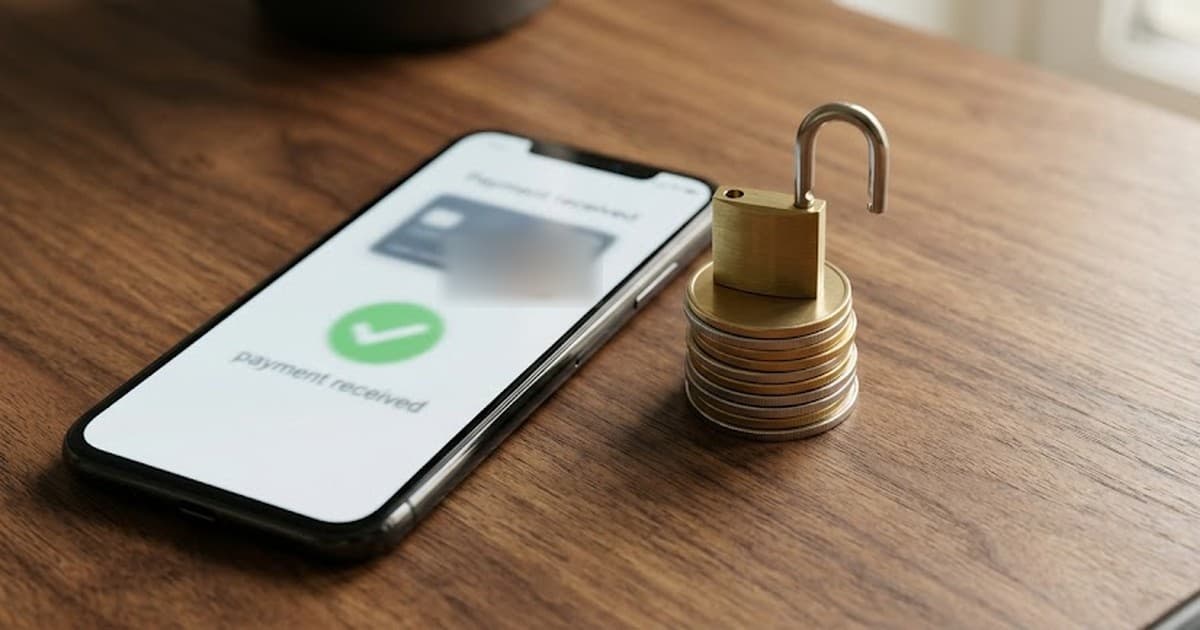
Data entry is a favourite hook for scammers, because it sounds easy and needs no experience. The US Federal Trade Commission is clear on the basics: honest employers will never ask you to pay to get a job. It warns that work-from-home victims may end up paying for "starter kits, so-called training or certifications that are useless." It also describes a common trick in which a new employer sends a check, asks you to return part of it and the check later bounces. The FTC says no honest employer will send you a check to deposit and then ask you to send money back.
Red flags to watch for:
Any request for a fee, a starter kit or paid training before you are hired.
Promises of high pay for little work.
A job offered without any interview or test.
Requests to move the conversation to a private messaging app or to receive and forward payments.
Our guide to real work from home jobs with international companies covers these warning signs in more detail. Before you accept any offer, ask who the client is, how the role is confirmed and who you speak to if something goes wrong.
How to Get Placed
The route is the same one that works for other VA roles. Pick a lane, show proof of accuracy and prepare for a short test and a client conversation.
Start with a clear profile that says what you can do in specific terms, for example "accurate data entry and spreadsheet cleaning for small businesses" instead of a long list of everything. Add your tested typing speed and a small sample of cleaned data. Prepare for a practical test and ask about the tools and hours before you accept.
Then apply through a placement company, so you are vetted once and matched with a client that has already asked for support, instead of sending applications to employers one by one. A real placement company is paid by the client, never by you.
How Innovex AI Supports You
Innovex AI places candidates from India, the Philippines and Bangladesh with vetted international clients in virtual assistant roles that include administrative and data work. You do not pitch, you do not bid against other applicants and there are no candidate fees at any stage. Vetting works in your favour: it puts you in front of clients who have already asked for support and placement comes with performance oversight, HR coordination and support after you start.
If you begin in data and admin work and want to grow, the natural next steps are the specialised roles above, depending on your skills and what the client needs.
Ready to be placed with an international client? Apply Now
Frequently Asked Questions
Do I need experience to work as a data entry virtual assistant?
Not always. Many clients care more about accuracy, reliability and a good test result than about years of experience. A small sample of cleaned data and a tested typing speed can show what you can do.
What typing speed do I need for data entry?
There is no official standard. Many postings ask for around 40 to 45 words per minute with 95% accuracy or higher, but each client sets its own requirement. Accuracy matters more than raw speed.
Will AI take over data entry work?
Routine entry with no judgment involved is the part most likely to be automated. Checking, cleaning and handling exceptions still need a person, so build skills in accuracy and in the systems clients use.
Should I pay for a data entry course or starter kit?
No. The US Federal Trade Commission warns that honest employers never ask you to pay to get a job. At Innovex AI there are no candidate fees at any stage and any offer that asks for money first is a reason to step back.